“Well Behaved Women seldom make history” – Bristol Museum and Art Gallery’s new tour, ‘Hidden Histories: Women Artists, Muses, and Rebels’
Posted on by Fay Whitfield.
By Ceri (they/them), Visitor Assistant and Tour Guide at Bristol Museum & Art Gallery.
“Well behaved women seldom make history.”
Prof. Laurel Thatcher Ulrich
During 2025, Bristol Museum & Art Galleries’ Visitor Assistants have been working behind the scenes, developing new tours, including our Highlights Tour: Bristol’s Dinosaurs, created by Miles, focusing on the museum’s resident dinosaurs, including the Bristol dinosaur, Thecodontosaurus, as well as our Highlights Tour: Difficult Conversations at Bristol Museum & Art Gallery, created by Annie, which brings into focus the difficult histories behind some of the objects on display on the ground floor, and considers the complex ethics of museums in the modern world, including stories about Bristol’s history that you won’t find on the labels.
Last year, I created a new highlights tour, Hidden Histories: Women Artists, Muses, and Rebels, that runs Wednesdays at 2pm, as well as every other Saturday and Sunday at 2pm. There are also plans to bring out new tours in 2026.
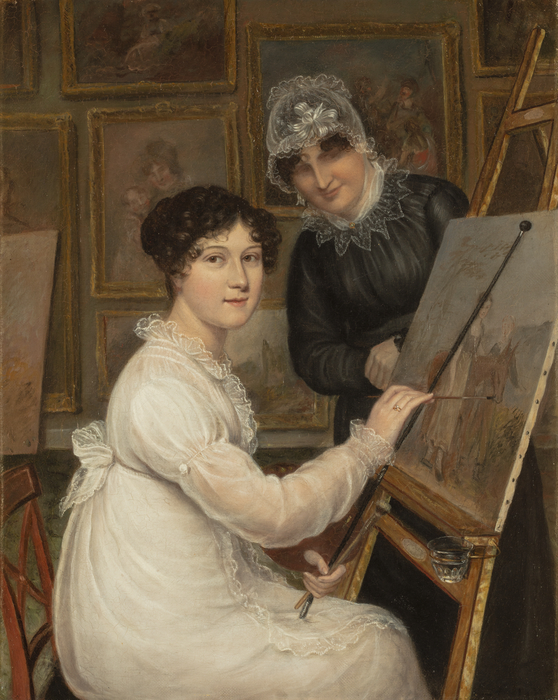 The Hidden History tour features militant Bristolian suffragettes, political activists and communists, a 19th Century con artist, a family of artists captured by pirates on their journey to America, as well as fascinating secrets and untold stories. I developed this tour as I wanted to share my favourite ‘behind the scenes’ scandalous tales with you, that don’t always make it onto our gallery labels.
Historically, women artists have been overlooked, underpaid and underrepresented in art galleries and museums (for example, almost all the Pre-Raphaelite muses were artists in their own right, but they are not remembered for this), as are LGBTQ+ artists, disabled artists and ethnic minority artists. The tour also mentions some LGBTQ+ artists, like Doris Hatt and her partner Margery Mack Smith, as their stories are sometimes lost to history or even deliberately erased.
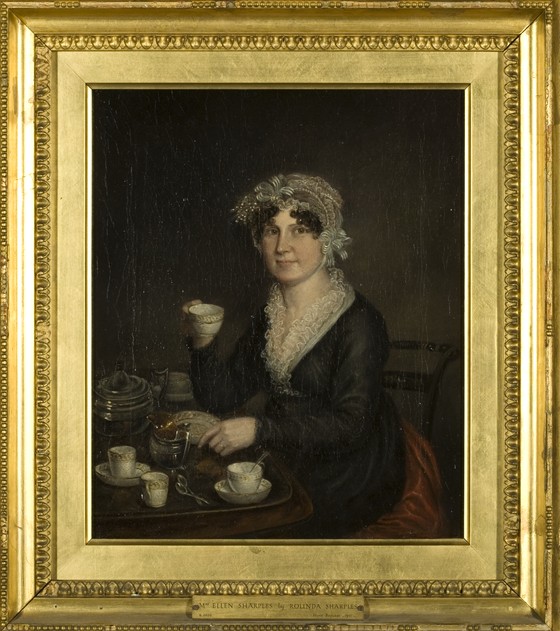 Some of my favourite Bristol women’s stories include:
- Two artists, Ellen Sharples with her baby daughter Rolinda were captured and taken prisoner by French privateers on their journey to America with their family. Rolinda then went on to be the first professional woman artist working in England, working at the same time Jane Austen was writing her novels. Her mother Ellen, who started life as a blacksmith’s daughter, had her own pioneering career as one of the first woman artists in America, and was one of the founding
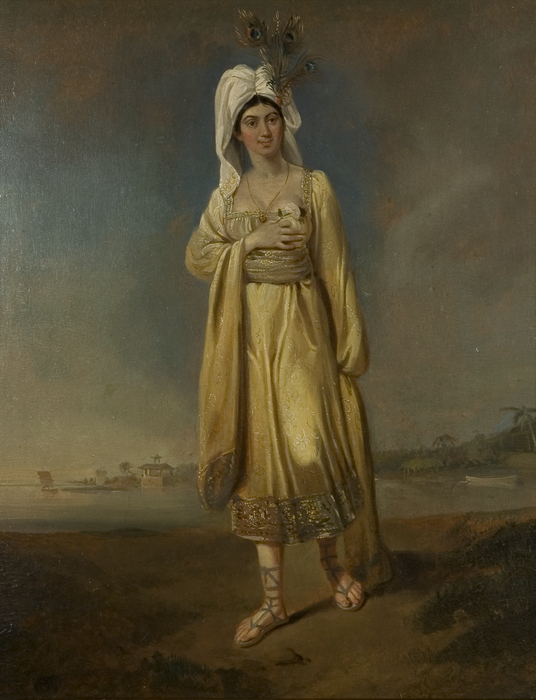 members of the Royal West of England Academy (RWA) which opened in1844, six years before than the Clifton Suspension Bridge’s completion.
- The truth behind the local legend of Princess Carabou, Indonesian royalty who had been captured by pirates, who fascinated Bristol and Bath high society for ten weeks in 1817.
- The story of suffragette Theresa Garnett, notorious for allegedly assaulting Prime Minister Winston Churchill with a horse whip in the middle of Temple Meads station, whilst shouting “Take that in the name of the insulted women of England!”
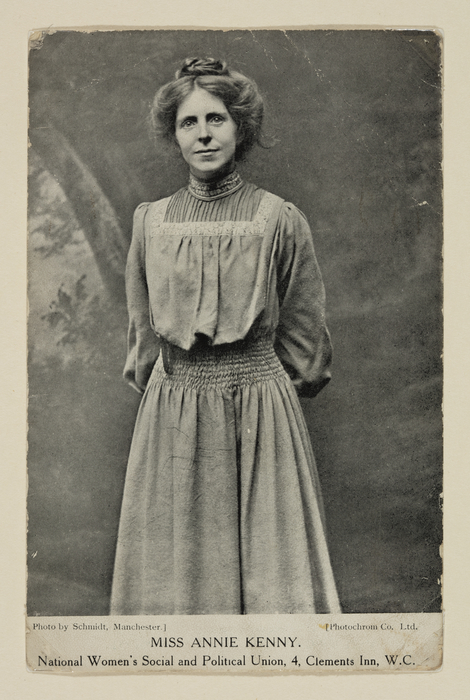 Her fellow militant suffragette Annie Kenney was a working-class socialist and trade unionist (a rare suffragette elite member who wasn’t middle or upper class). She lived in Bristol running the Bristol suffragette branch from 1907-11. Kenney was known by her sister suffragettes as ‘Our Captain’ and was jailed 13 times in total. She was a frequent hunger striker and underwent forced feeding many times.
- Learn about the friction between the University of Bristol students and the suffragettes, caused by the local suffragettes’ arson campaign, which cumulated with a riot at 37 Queen’s Road,
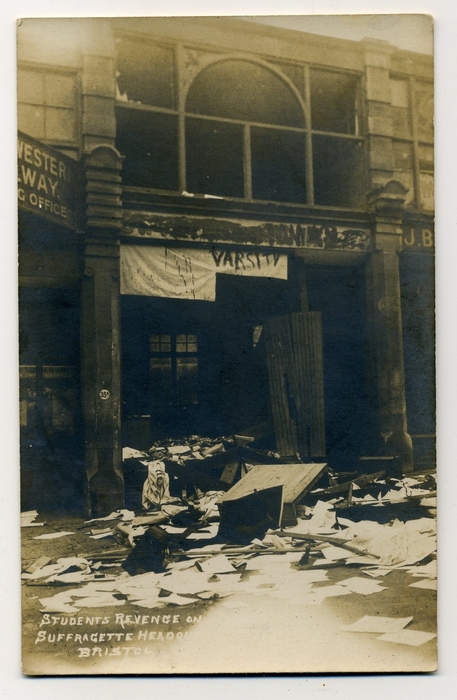 opposite the museum.
To hear more of these stories, we’d love for you to join us on a tour, you can book online up to two days before the event, while box office tickets may be available to buy on the day (subject to availability).
Standard tickets are £5, under 16s as well as carers/sighted guides are free, and if you would like to make a group booking, please contact our Learning team.